
EV fleet charging management software
Maximize fleet uptime and readiness.
Flipturn gives fleet operators complete control over depot charging: schedule vehicles by departure time, prioritize charging by operational need, minimize energy costs across every site, and confirm vehicle readiness before every shift. Built for commercial and municipal fleets charging vehicles with any OCPP-compliant hardware.
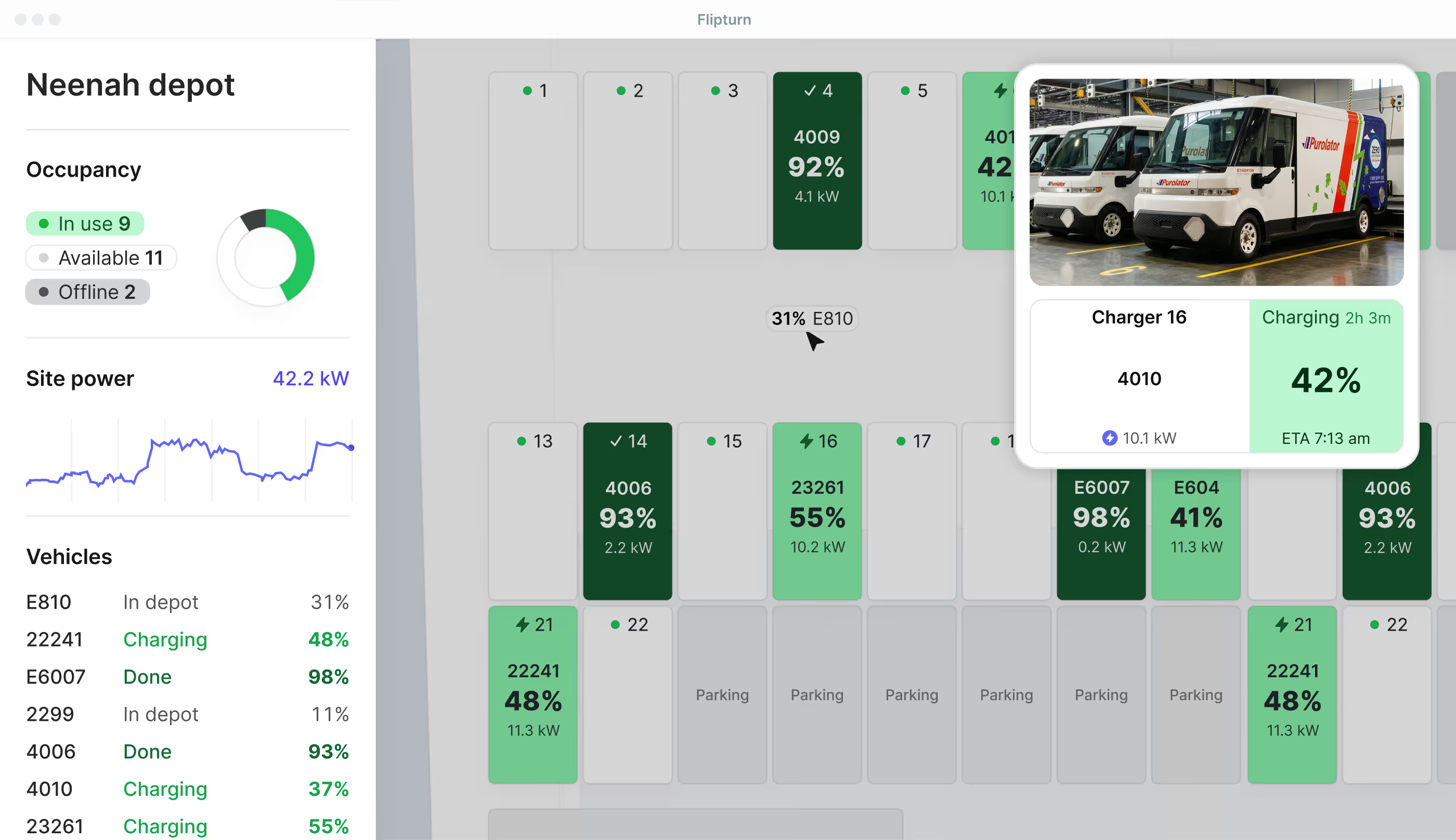








Fleet depot charging and departure scheduling
Flipturn’s fleet depot charging combines vehicle-level scheduling with site-level power management so vehicles are charged on time for departure, at the lowest possible energy cost. Customers have reduced their effective electricity cost by more than half and cut peak demand charges by up to 60%.

Departure-time scheduling
Set a target departure time per vehicle or group and monitor readiness against it. Flipturn prioritizes charging vehicles that need to be ready first when capacity is tight.
State-of-charge (SoC) targets
Define SoC targets per vehicle or vehicle group. Charging ends automatically when a vehicle reaches its configured threshold, reducing unnecessary energy draw and extending battery life over time.
First-in, first-out (FIFO) queuing
When depot capacity is constrained, sessions are served in arrival order. Fair, predictable queuing with no manual dispatch and no driver friction.
Vehicle and charger priority
Assign priority to specific vehicles or charger ports. When capacity is tight, high-priority vehicles receive power first. Useful for mission-critical assets, dedicated routes, or vehicles with earlier departure windows.

“Flipturn allows me to take complete control of our infrastructure, with features that fit our fleet instead of the other way around.”

Manager at Spokane Transit
See customer story
Vehicle readiness and fleet visibility
Flipturn gives fleet operators real-time vehicle readiness visibility across every charger and port at the depot, so the right vehicles are charged and ready before the shift starts.
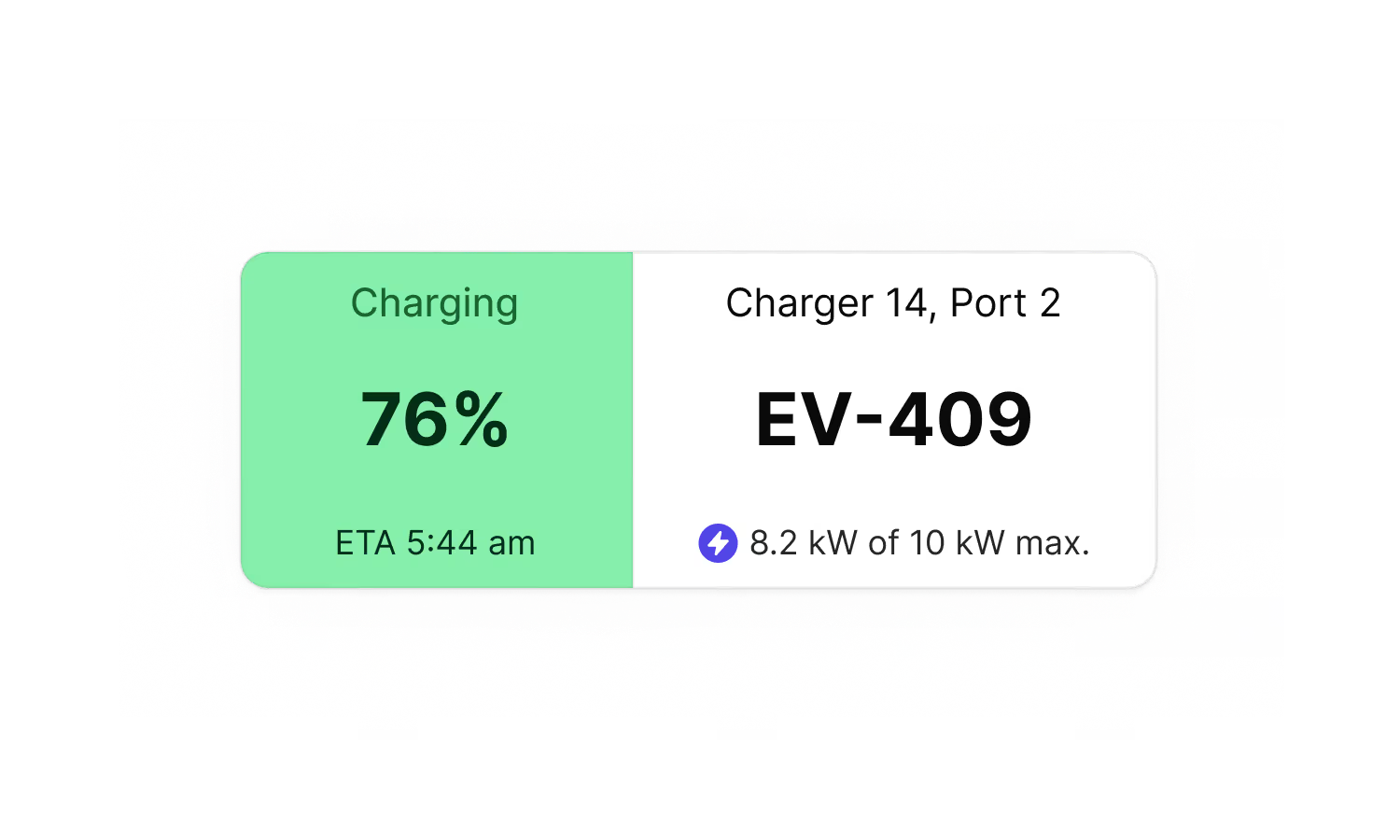
Real-time fleet readiness
Instantly see which vehicles are charging, finished, or at risk, with SoC and time-to-ready estimates by vehicle and port.
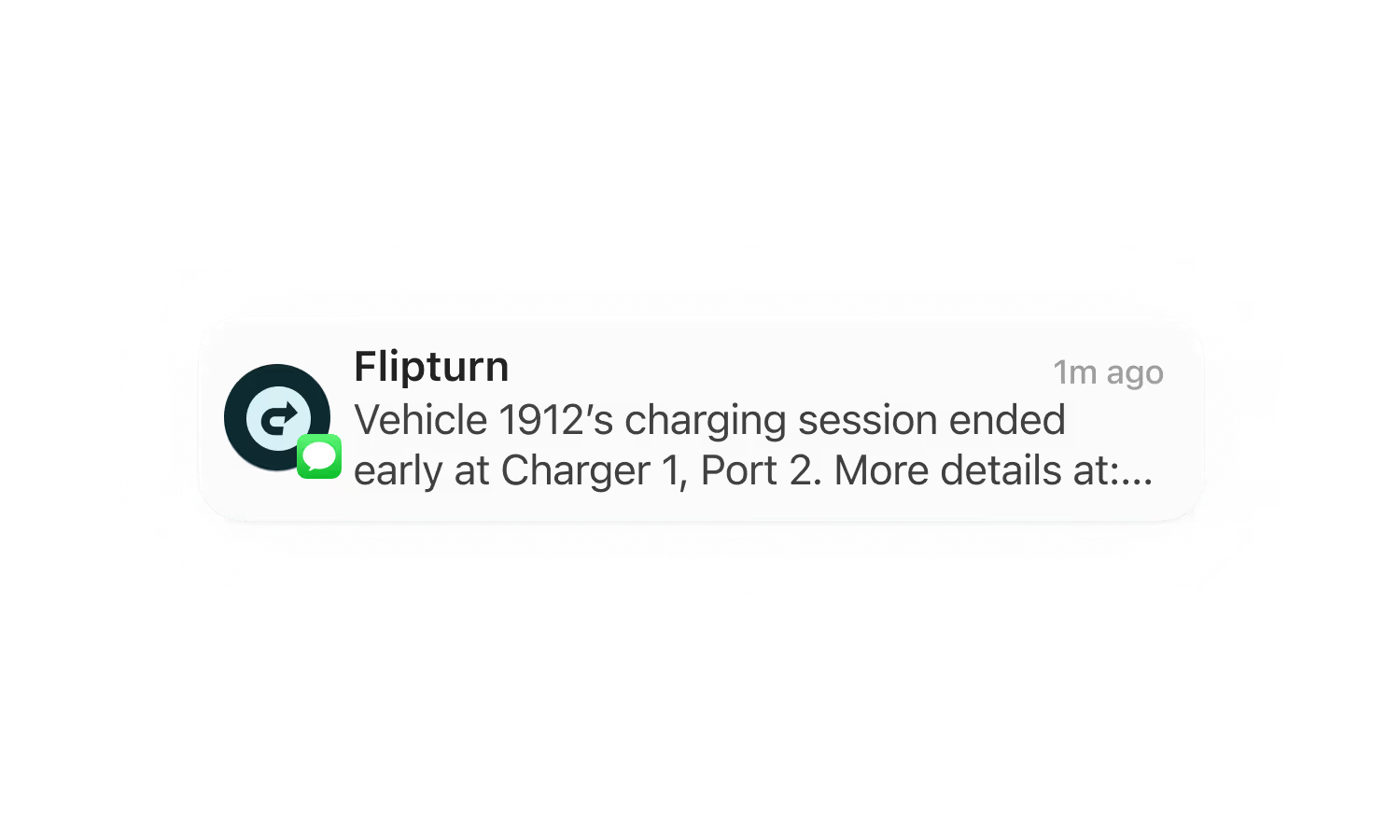
Alerts that prevent missed departures
Get notified when charging doesn’t go to plan: unplugged vehicles, early disconnects, slow charging, or missed SoC targets.
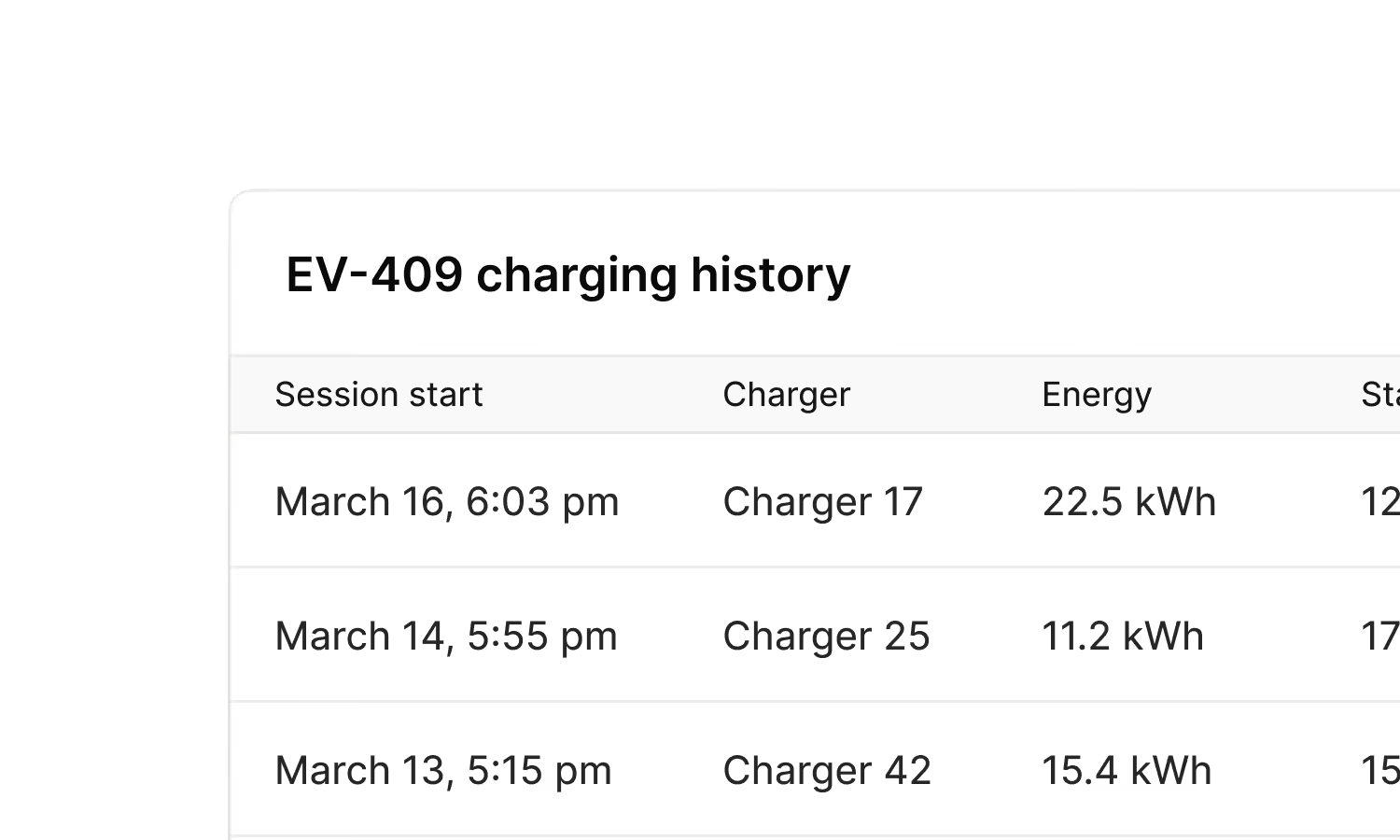
Vehicle-level charging history
Charging sessions are tied to vehicles, making it easy to review vehicle charging performance and streamline cost tracking and compliance.
Multi-depot EV fleet charging management
Flipturn's multi-depot EV charging management gives operators unified visibility of vehicles across all locations while allowing each depot to run its own power limits, schedules, and vehicle priority rules from a single interface.
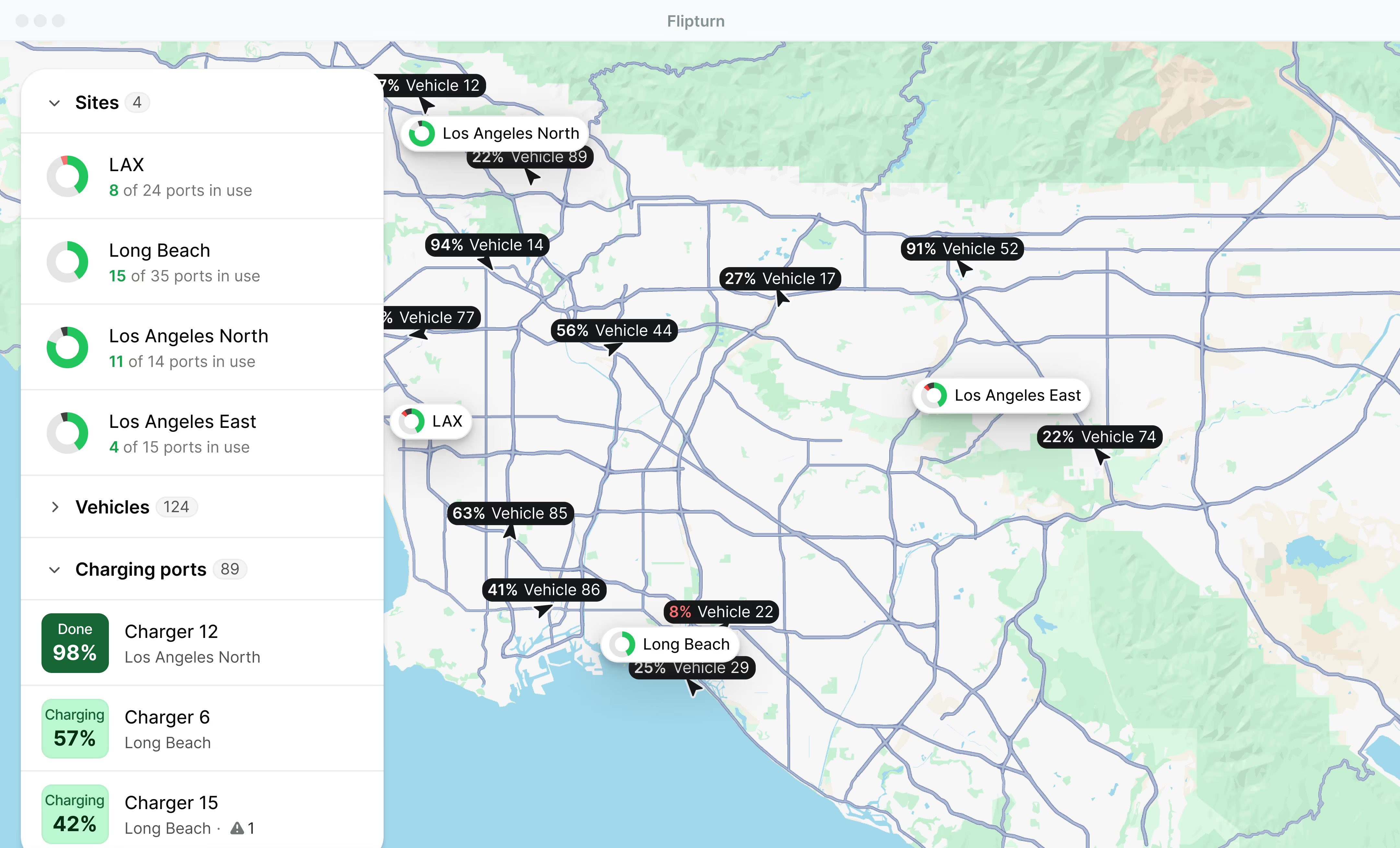
Centralized view across all depots
All sites, chargers, and vehicles are visible from one dashboard. Monitor readiness, energy consumption, and charger status across every location without switching platforms or logging into site-specific tools.
Per-depot configuration
Apply independent power limits, rate schedules, and charging policies at each depot. Changes at one site do not affect others. Useful for fleets with different utility providers, rate structures, or operational requirements across locations.
Cross-depot vehicle tracking
Vehicles that operate across multiple locations remain visible and correctly attributed regardless of which depot they charge at. Session data follows the vehicle, not the site.

“Flipturn delivers a reliable product tailored exactly for fleet operations.”

Operations Manager at Transvolt
See customer story
Telematics and fleet system integrations
Flipturn connects with the telematics and fleet management platforms your team already uses. Vehicle SoC, session history, energy consumption, and range data flow into your existing operational view, and charging schedules can be informed by route and dispatch data without manual coordination between tools.
Telematics platform integrations
Flipturn connects with leading telematics platforms (like Geotab and Samsara) to bring vehicle SoC and status into one operational view. Use telematics signals alongside charging data to track readiness and reduce tool switching.
Vehicle range and efficiency tracking
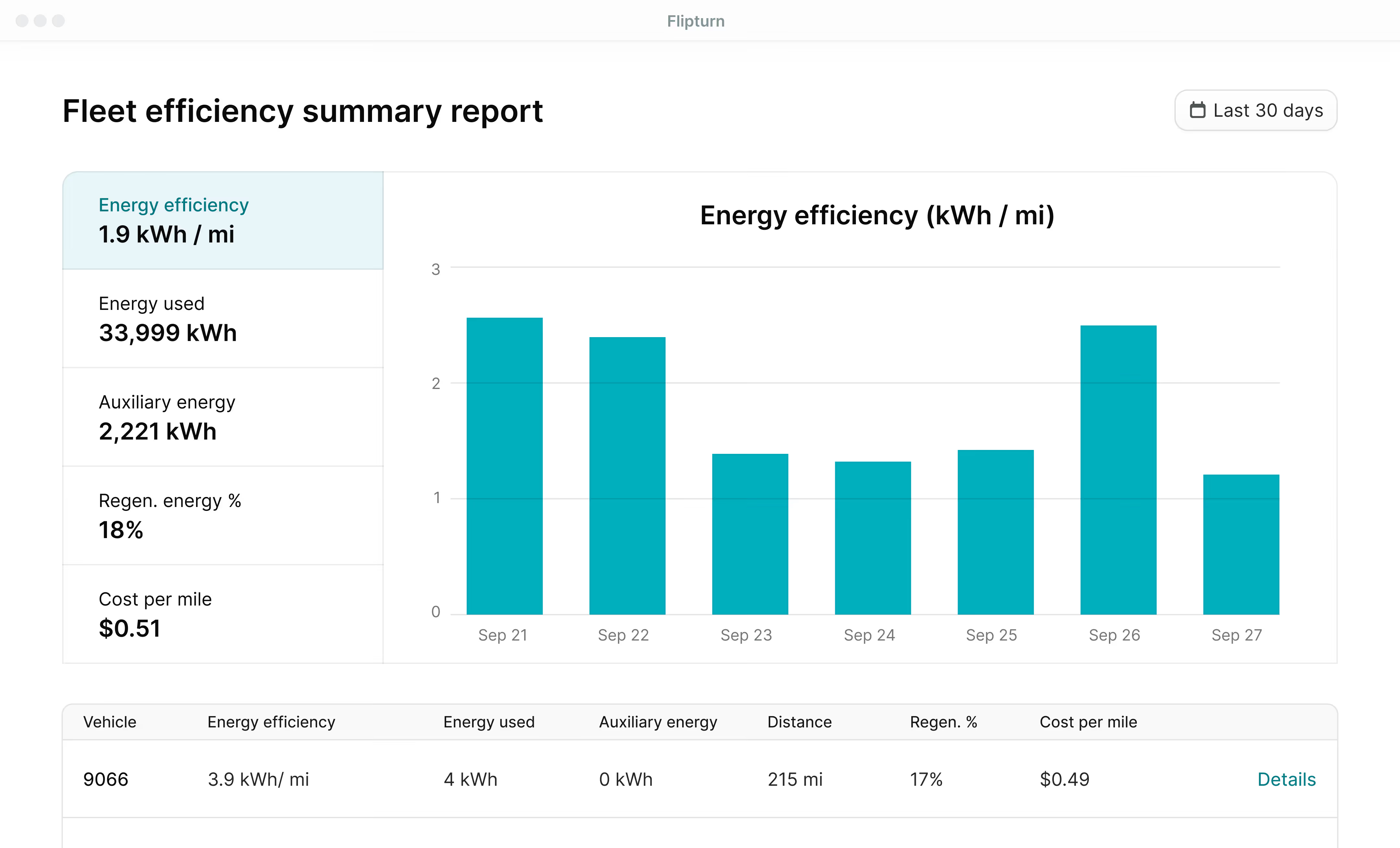
Track projected range per vehicle based on current SoC and historical consumption. Efficiency reports show energy use per mile, cost per vehicle, and consumption trends to help identify underperforming vehicles.
Route and dispatch integrations
Sync routes, departure times, and energy needs from your dispatch tools to automatically shape charging plans. Flipturn prioritizes the right vehicles at the right time, so schedules stay on track with less manual coordination.
API for custom integrations
For proprietary systems, Flipturn’s API makes charging sessions, vehicle status, and energy data easy to pull into your stack. Build workflows and reporting on top of Flipturn without being limited to prebuilt integrations. See API documentation →
Frequently asked questions
What happens if a vehicle doesn't reach its target charge level before departure?
Flipturn sends an alert when a vehicle is projected to miss its state-of-charge target based on current charging progress. Operators can set vehicle priority rules in advance so that higher-priority vehicles are charged first when capacity is constrained, reducing the likelihood of a shortfall without manual overnight intervention.
Can Flipturn manage charging across multiple depot locations?
Yes. Flipturn provides a unified view across all depots, with independent power limits, rate schedules, and vehicle priority settings per site. Fleet managers can monitor and configure all locations from a single dashboard.
Does Flipturn integrate with our existing fleet management system?
Flipturn connects with leading telematics and fleet management platforms including Geotab and Samsara, pulling vehicle state, location, and energy data without requiring manual data transfer between tools. A REST API is available for custom integrations with proprietary or less common systems.
Can Flipturn help reduce our total electricity costs across the fleet?
Departure-time scheduling concentrates charging in off-peak rate windows, directly reducing time-of-use charges. Combined with site-level power limits that prevent demand charge spikes, fleet operators typically see meaningful reductions in per-kWh and demand charge line items. Actual savings depend on utility rate structure and depot usage patterns.
How does departure-time scheduling work with utility demand response programs?
Flipturn's support for OpenADR 2.0b and IEEE 2030.5 makes depots compatible with utility demand response programs. During a demand response event, Flipturn adjusts charging schedules automatically while still prioritizing vehicles with imminent departure times.
Does Flipturn help us qualify for utility incentive programs or LCFS credits?
Flipturn generates the energy and session records needed for LCFS documentation and other incentive program reporting. For demand response specifically, OpenADR and IEEE 2030.5 compliance makes depots eligible to participate in most utility programs available to EV fleet operators.