
Onsite controller hardware for EV charging load management
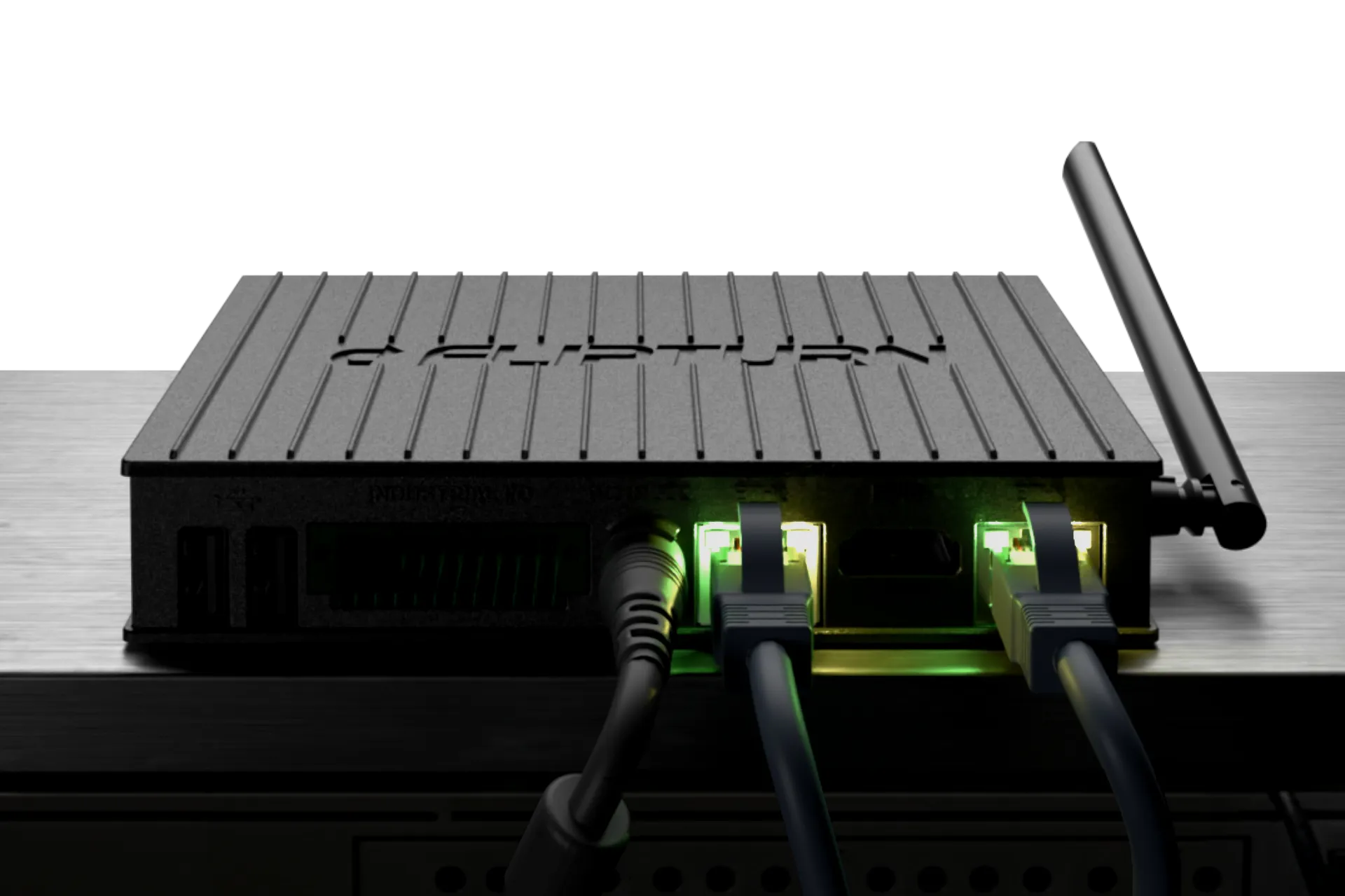
Balance loads across OCPP chargers, integrate DERs, and keep commercial and fleet charging sites resilient with Flipturn Controller.
Utility integrations

Submetering with SCE and SDG&E
SunSpec IEEE 2030.5 CSIP certified
PG&E Flex Connect approved
OpenADR certified
Enable advanced energy management use cases
- 01
Real-time load balancing with non-EV site hardware
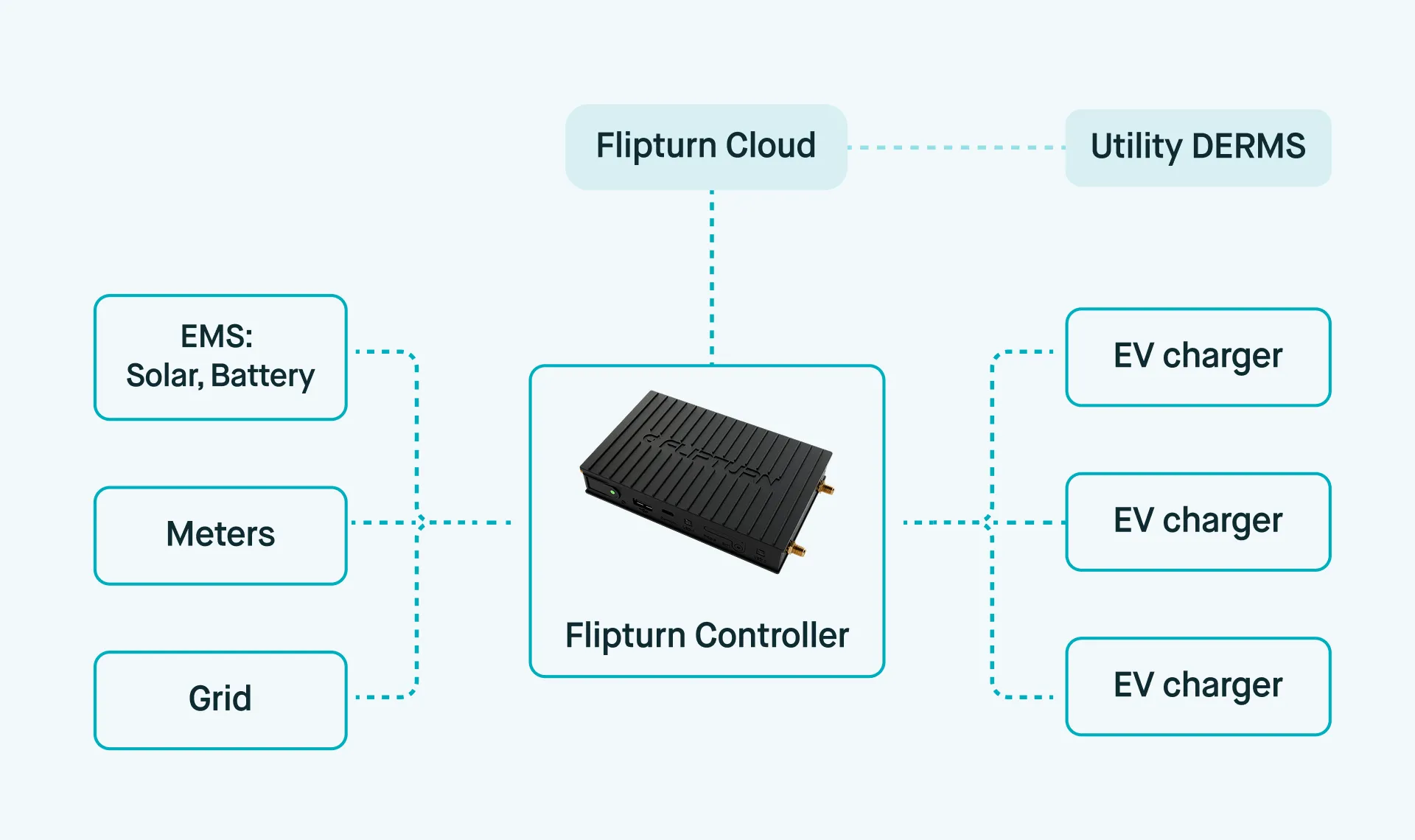
Monitor building or industrial hardware loads on the same utility connection and adjust EV charger power output to accommodate load spikes in real time.
- 02
DER integration (BESS, solar, generation)
Integrate with a local EMS to rapidly respond to changes in Distributed Energy Resource (DER) output and adjust charger power output based on available capacity.
- 03
Network outage resilience
The Controller connects locally to EV chargers on-site, allowing it to optimize charging even during network outages.
Designed & built with industrial-grade hardware
- 01
Built for extreme conditions
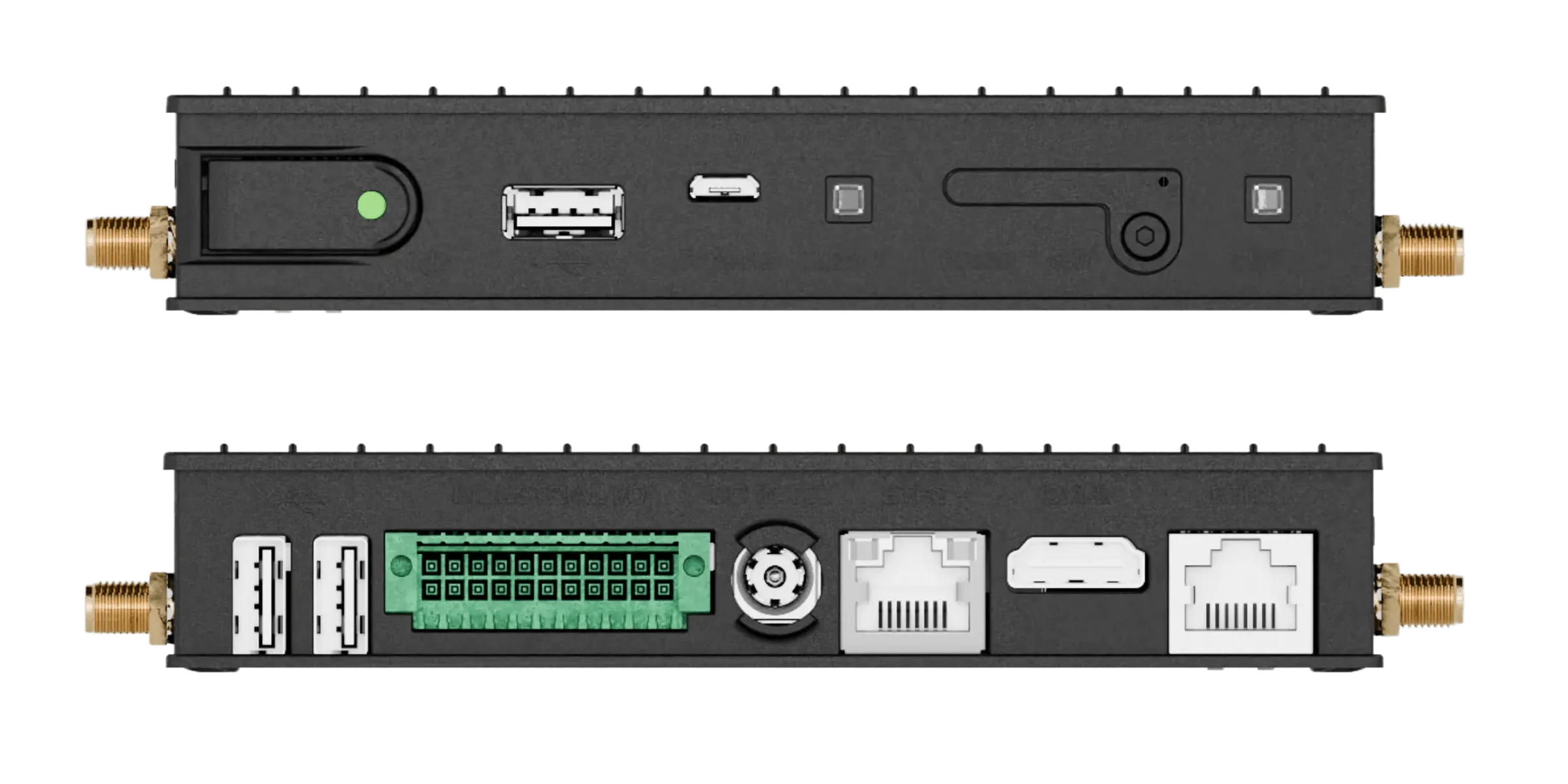
Operable in temperatures between -40° F to 176° F (-40° C to 80° C). Installable standalone or with a weather-resistant enclosure to protect from moisture.
- 02
Flexible connectivity
Connects to Flipturn cloud via cellular or wired connection. Communicates with EV chargers and local devices via OCPP, Modbus, and other industrial protocols.
- 03
Flipturn cloud integration
Control your site settings from Flipturn, and seamlessly sync them to the Controller. Monitor operations in real time from the Flipturn dashboard.
Frequently asked questions
My site keeps tripping its breaker or hitting demand charges when too many EVs charge at once. Can this fix that?
Yes. This is the core problem the Flipturn Controller solves. It monitors your total site load in real time, including non-EV equipment on the same utility connection, and automatically throttles EV charger output to prevent demand spikes. You get more EVs charging on existing electrical infrastructure without expensive panel or transformer upgrades.
We have solar panels and/or a battery storage system on site. Can the Controller work with those?
Yes. It integrates with your on-site Energy Management System (EMS) to monitor output from solar, batteries, and other distributed energy resources (DERs), then adjusts charger power in real time based on what is actually available. This means your EVs can preferentially charge on clean energy and you avoid pulling excess power from the grid.
What if my site loses internet? Will charging management stop working?
No. The Controller connects directly to your chargers over a local network on-site. It continues to manage and optimize charging during network outages without any cloud dependency for core functions.
We're in PG&E territory and struggling to get enough grid capacity approved. Can this help us connect sooner?
Potentially yes, and this is significant. The Flipturn Controller is an approved solution provider for PG&E's Flex Connect program. Flex Connect is PG&E's flexible interconnection offering that allows sites with controllable power needs to connect to the grid without waiting years for capacity upgrades. Instead of building to worst-case peak demand, PG&E lets you connect at available capacity and curtail automatically when needed. PepsiCo used Flex Connect to unlock 4.5 MW of capacity 18 months ahead of their original timeline. The Flipturn Controller's ability to respond reliably to utility commands is what makes this possible.
What does "OpenADR certified" mean, and why does it matter?
OpenADR (Open Automated Demand Response) is a standardized communication protocol that lets utilities send real-time grid signals, such as price spikes, curtailment requests, or congestion alerts, directly to your equipment, which then responds automatically without human intervention. Being OpenADR certified means the Controller has been independently verified to comply with this standard by the OpenADR Alliance. In practice, this matters because many utility incentive programs, including those offered by SCE, National Grid, and PG&E, require OpenADR certification as a prerequisite for participation. It also means no vendor lock-in: certified products are interoperable across programs and utilities.
What is SunSpec IEEE 2030.5 / CSIP certification, and do I need it?
IEEE 2030.5 is the communication standard that California's Rule 21 mandates for any distributed energy resource, including EV chargers, connected to the grid within investor-owned utility (IOU) territories such as PG&E, SCE, and SDG&E. The Common Smart Inverter Profile (CSIP), certified by the SunSpec Alliance, is the specific implementation of that standard. If you are operating in California IOU territory, this certification is not optional; it is a regulatory requirement for grid-interconnected DERs. The Flipturn Controller holds this certification, meaning it can communicate directly with utility control systems in the way California law requires.
What does "submetering with SCE and SDG&E" mean for my site?
Submetering allows your EV charging load to be measured and reported separately from your building's general electricity consumption. SCE and SDG&E use this data to verify participation in demand response and EV-specific rate programs. Without it, you cannot qualify for EV-specific utility tariffs. The Controller supports submetering integration with both utilities.
What charger brands and protocols does it work with?
The Controller is compatible with 50+ EV charger models and communicates with chargers via OCPP (Open Charge Point Protocol), the industry-standard protocol supported by most commercial charger manufacturers like ABB, Autel, and Zerova. It also uses Modbus and other industrial protocols for integration with meters, EMS platforms, and site hardware.
How rugged is the hardware? We're installing in an outdoor parking structure / fleet depot.
It is rated for operation between -40°F and 176°F (-40°C to 80°C), suitable for outdoor and unconditioned environments like parking structures and fleet depots. It can be installed standalone or within a weather-resistant enclosure for additional moisture protection. It is industrial-grade hardware, not a consumer device.
How do I configure and monitor the Controller?
You configure and monitor everything from the Flipturn cloud dashboard. Settings sync to the Controller automatically. Real-time operational data, including charger status, load levels, and energy consumption, is visible from the same interface.
Who is this for? Is it only for large deployments?
It is designed for operators who need advanced energy management: fleet depots, multifamily properties, commercial parking, workplaces, and hospitality sites where multiple chargers share a constrained utility connection, where DERs are present, or where utility program compliance is required. If you have a handful of chargers with no capacity constraints and no utility program obligations, you may not need it. But if any of the above applies, it is likely the right infrastructure layer.